Latex isn't manufactured. It's harvested.
It begins as the sap of a living tree and ends as a sheet that breathes. What happens in between is whipping, mould, heat and water — nothing else goes in.
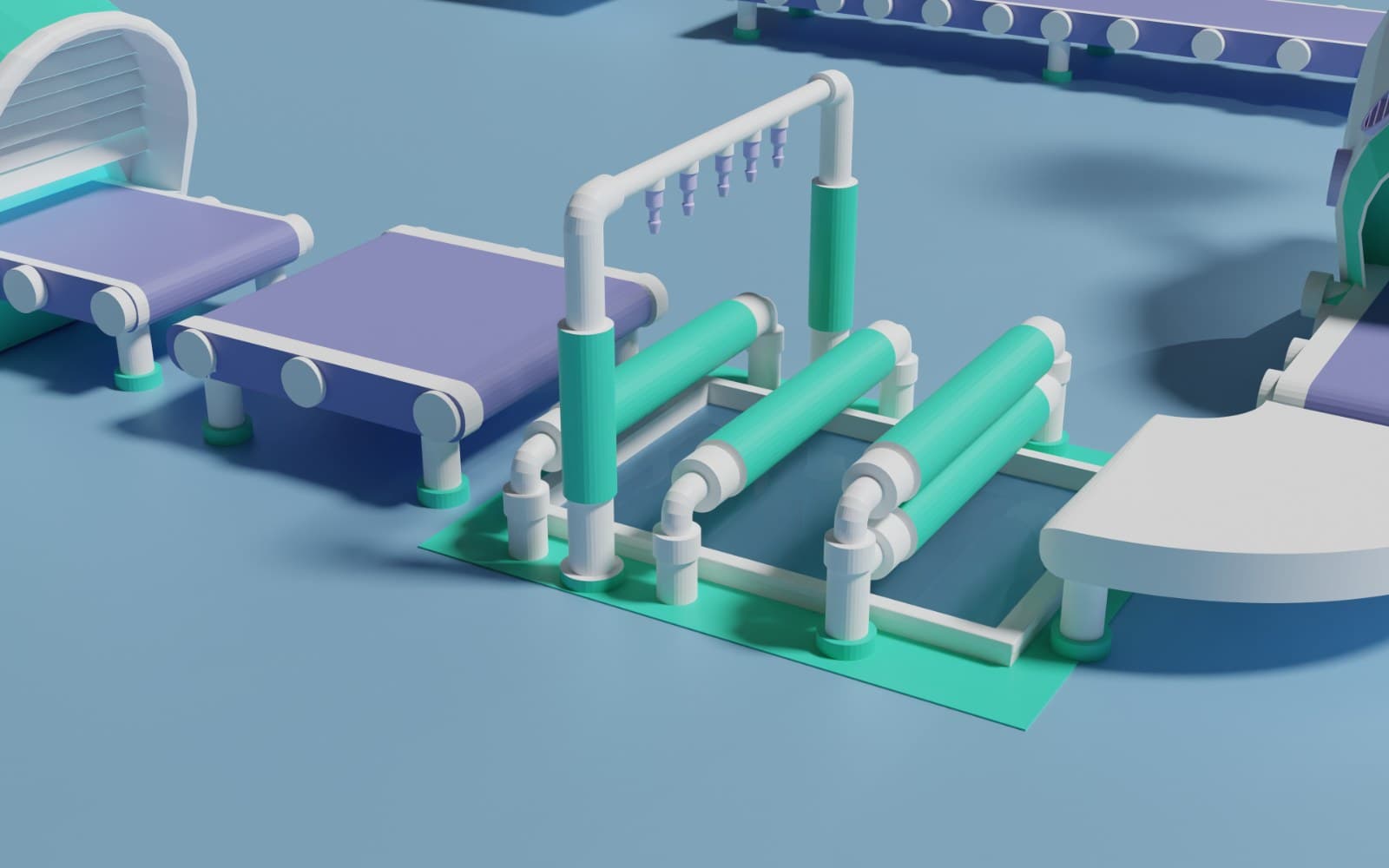
- 01
The tree
The sap is tapped at dawn. The tree goes on living for decades more.
- 02
The whipping
The sap is foamed with air — like whisking egg whites, at industrial scale.
- 03
The mould
The mould's pins draw the zones: this is where the comfort map is born.
- 04
The curing
Vulcanised by radio frequency: less energy, a more even cell.
- 05
The washing
Water, rollers and drying. Out comes a clean sheet that breathes on its own.
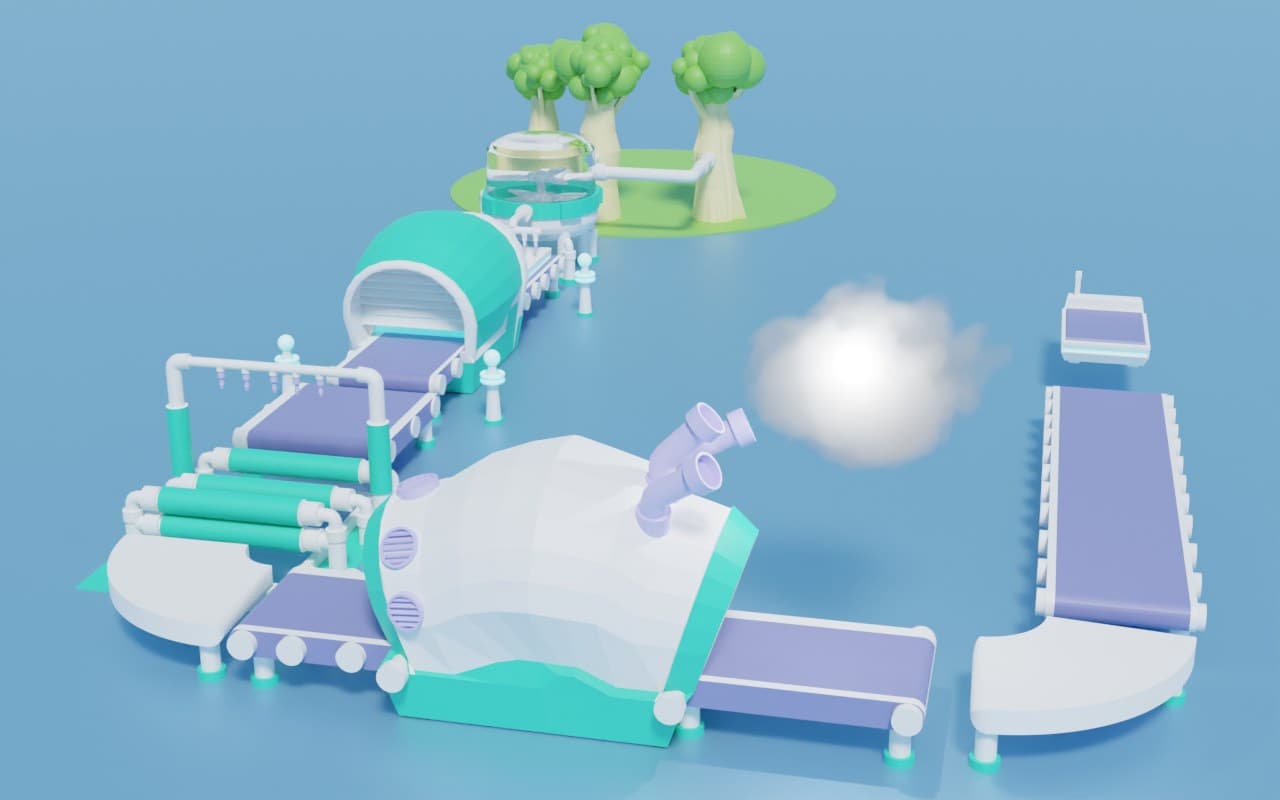
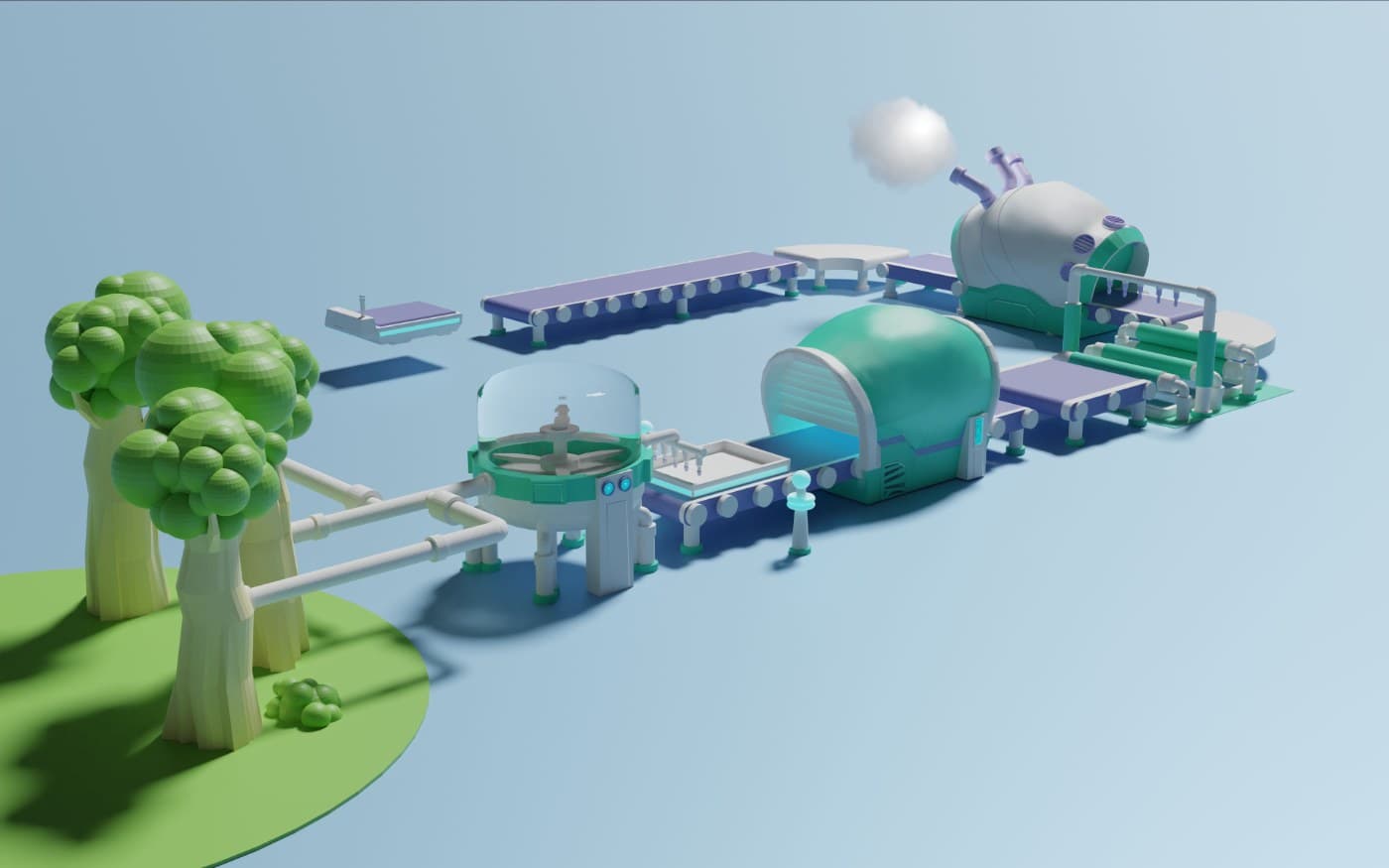
A foam that was once alive.
Polyurethane is born in a refinery; latex, in a plantation that removes carbon as it grows. The open cell lets air through and the material springs back at once.
Organic isn't a marketing adjective here: it's a chain with custody — from tree to block — and with names at every link.
30 years
is how long one rubber tree is tapped: it's the crop's cycle, not a yield of ours
of volatile compounds (VOC) in the cured block
Awaiting the test
compostable at the end of its life
Awaiting the standard
traceable to the lot and the family that tapped it
Not yet measured
A figure without its source isn't published here: it appears the moment the test, the standard or the record that backs it arrives. See the certifications
A document in the HQ editor: the steps, the texts and the renders are edited there, and the guardians demand a source for any new figure. Block: /proceso